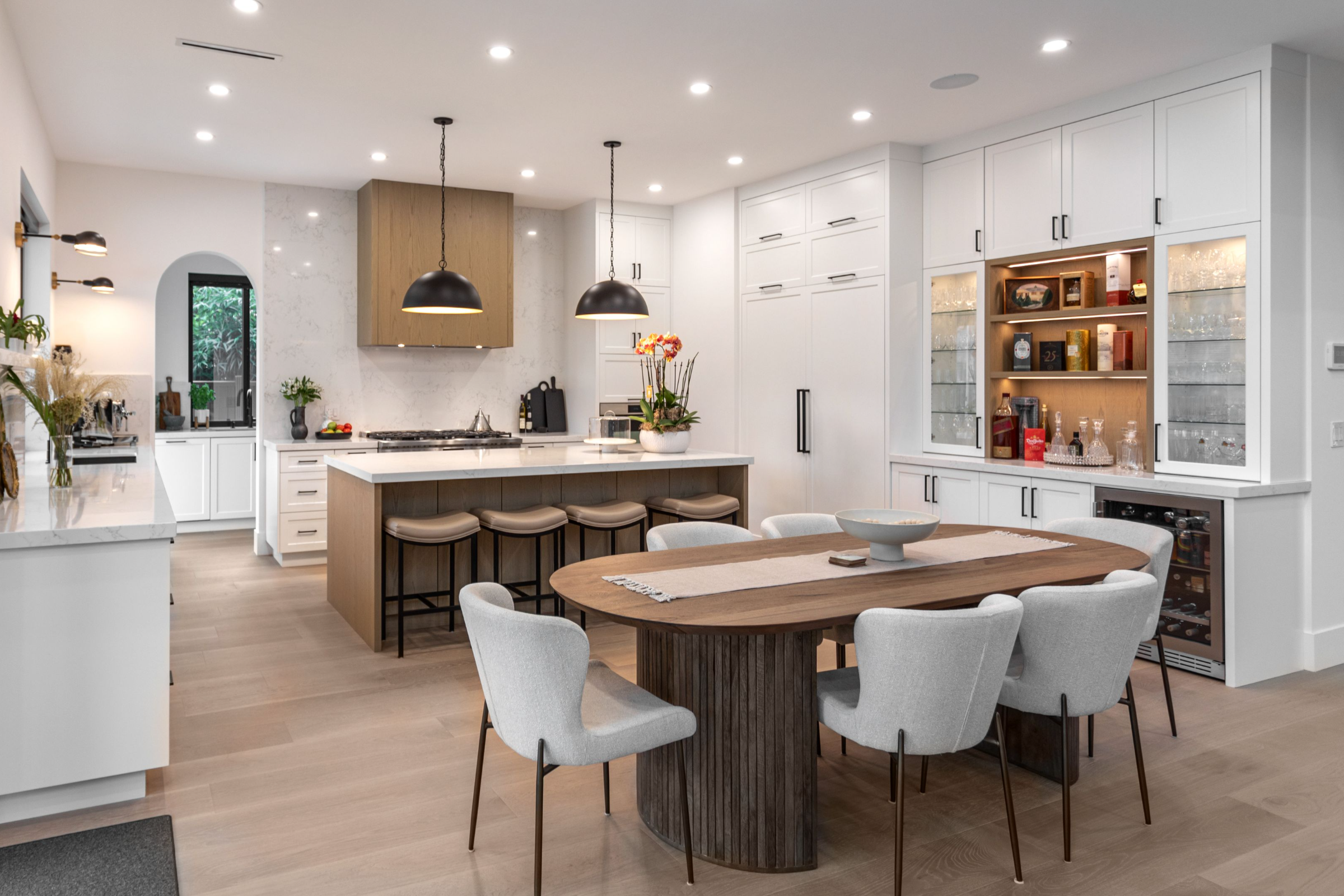
Embarking on a kitchen renovation is a major investment, with new cabinets and countertops often at the heart of the transformation. Yet, many projects falter before they even begin due to insufficient planning. Careful, thorough planning at the outset is essential, not just for aesthetic decisions, but for the entire functional flow of your kitchen. A well-detailed design plan lays out the intended workflow, precise measurements, and the exact models of appliances to be installed. This foundation prevents costly mistakes, such as cabinets that don’t fit or countertops that obstruct appliance doors.
Inadequate planning can force homeowners into making last-minute decisions or expensive changes mid-project, leading to delays and budget overruns. For example, failing to finalize your appliance choices before cabinetry is ordered can result in ill-fitting cabinets and wasted materials. Similarly, skipping step-by-step workflow analysis can leave you with awkward layouts that disrupt meal prep and daily routines.
On the other hand, detailed planning—complete with accurate drawings and a clear materials list—keeps your project on track and helps avoid miscommunications with your contractor or cabinet maker. By investing time upfront to measure spaces, confirm all selections, and anticipate how every component will fit and function, you position your renovation for a smooth execution, minimal rework, and a kitchen that truly fits your needs.
One of the most stressful surprises during a kitchen renovation is the discovery of hidden structural or mechanical problems. These issues are especially common in older homes, where previous renovations or decades-old systems may conceal outdated wiring, corroded pipes, unrecognized load-bearing walls, or even mold hidden behind cabinets. Such problems typically only become apparent once demolition has started, often causing work to halt while the issues are assessed and repaired.
The ramifications are twofold: first, unexpected repairs can quickly inflate your kitchen renovation budget, and second, your project timeline can stretch by weeks as you wait for specialty trades or building inspections. For instance, uncovering a load-bearing wall where your new open-plan kitchen was planned may require structural redesigns and engineer approvals. Discovering outdated electrical systems could mean a full rewiring before cabinets and countertops can be safely installed.
To minimize disruption, always plan for contingencies. Industry professionals recommend setting aside 10–20% of your total renovation budget specifically for unforeseen issues. Before starting, consider having a professional inspect critical structural and mechanical systems to identify potential problems early. While you can’t anticipate every hidden defect, building in time and budget buffers allows you to address them without derailing your entire renovation—transforming potential disasters into manageable challenges instead.
Among the leading kitchen renovation pitfalls are mistakes arising from incomplete or unclear design and layout planning—especially in the realm of cabinets and countertops. If you skip the step of finalizing your appliance choices, measurements, and finishes before fabrication, you risk a cascade of costly errors. Imagine custom cabinets built for a fridge that's a different size than the one you ultimately choose, or countertops cut before confirming the sink dimensions—these mistakes are not just inconvenient, they’re expensive.
To avoid rework and delays, always confirm your appliance models, sizes, and installation requirements at the outset. Share these specifications with your cabinet maker and designer, ensuring everyone is on the same page. Accurate, to-scale drawings and 3D layouts are invaluable tools for double-checking dimensions and spatial relationships. Don’t hesitate to measure twice and confirm every detail before signing off on production.
Additionally, selecting all your finishes and fixtures—such as cabinet handles, countertop materials, and backsplashes—ahead of time helps your team coordinate timelines, order accurately, and avoid misaligned expectations. This level of preparation not only prevents misfits and change orders but also helps your cabinet design professional deliver a kitchen that’s as functional as it is beautiful. Comprehensive planning is the foundation of a successful kitchen remodel, especially when custom cabinetry and countertops are involved.
Effective communication and careful contractor selection are just as critical as design when renovating your kitchen. A breakdown in communication can lead to misaligned expectations, unclear responsibilities, and costly disputes. Establishing a single point of contact—whether that’s a project manager or lead cabinet maker—ensures that information flows efficiently and nothing slips through the cracks.
When hiring a cabinet maker or contractor, do your homework. Review their portfolios, check references, and read client reviews to gauge quality and reliability. Verify that all professionals hold appropriate licenses and insurance, and clarify if they use subcontractors for specialized work. This due diligence can spare you from future headaches.
Once you’ve chosen your team, insist on a comprehensive written contract. The agreement should outline the project scope, key milestones, payment schedule, and warranty details. Require a documented procedure for change orders, ensuring that any alterations to the plan are approved in writing before work begins. Regular check-ins and progress updates, supplemented by photographic records of concealed work (like electrical or plumbing inside walls), help maintain transparency and quality control throughout the project.
Investing time in strong communication and a thorough hiring process not only keeps your kitchen renovation on schedule and budget, but also leads to a more collaborative, less stressful experience with your cabinet and countertop professionals.
A successful kitchen renovation is the product of both careful preparation and vigilant management from start to finish. Utilizing a detailed kitchen remodel checklist keeps you and your team accountable, ensuring critical steps—like confirming appliance sizes, measuring spaces, and selecting finishes—aren’t overlooked. This proactive approach reduces the likelihood of errors and delays.
Financially, always allocate a contingency budget of 10–20% of your overall costs, earmarked for unplanned issues discovered during demolition or construction. This fund enables you to address hidden problems—like faulty wiring or plumbing leaks—without stalling the entire project or overspending.
Timeline management is another vital aspect. Build realistic schedules that include buffers for inspections, backordered materials, and potential fix-it work. Pay particular attention to the lead times for custom kitchen cabinets and special-order countertops, coordinating orders early to stay on track.
Ongoing quality control should be a priority. Inspect workmanship at every major stage, rather than waiting until the end to identify defects. Withhold the final payment until all punch-list items—minor fixes or adjustments—have been completed to your satisfaction. Conduct a thorough final walkthrough, using your checklist to confirm that everything, from cabinet alignment to countertop finishes, meets your expectations.
Taking these steps empowers you to navigate the most common kitchen renovation pitfalls, maintain control over your project, and achieve a finished space that lives up to both your functional needs and design vision. For additional support, consider downloading a pre-renovation checklist or consulting with a professional cabinet maker to start your project on the right foundation.

.png)


