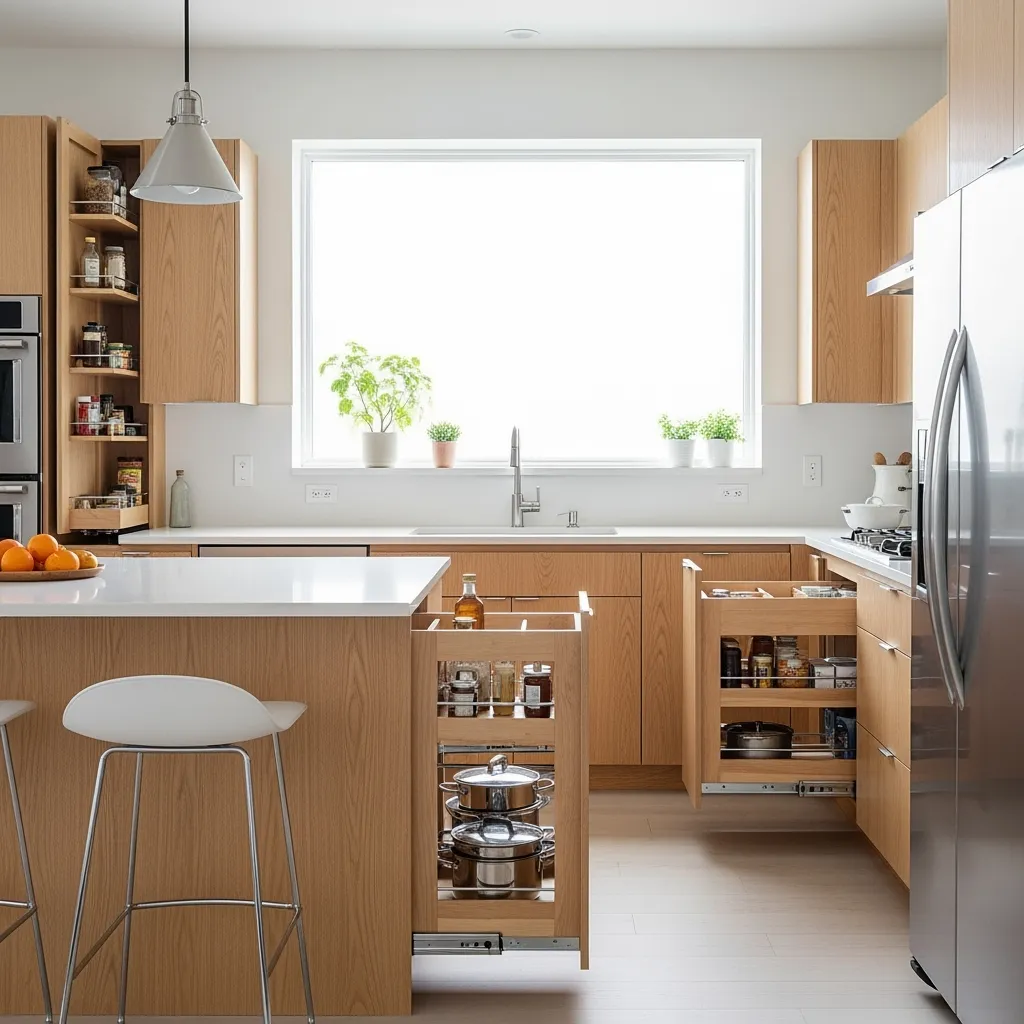
Minimalist kitchens have become an increasingly preferred choice for families seeking both style and practicality. The minimalist aesthetic emphasizes clean lines, uncluttered spaces, and functionality—all features that align well with the needs of a busy household. But what truly brings this vision to life is the choice of cabinetry. Custom cabinets, crafted specifically for your kitchen’s dimensions and your family’s routines, are foundational to achieving a seamless minimalist look.
Unlike mass-produced stock cabinets, custom options allow homeowners to dictate every detail, from layout to finishes. This means you can maximize every inch of available space, tailor storage solutions to your unique needs, and ensure a visually harmonious result. When you work with a local cabinet maker, you benefit from the expertise of professionals who understand the nuances of local homes and lifestyles. Local artisans often have a vested interest in maintaining high standards, as their reputation depends on the satisfaction of their neighbors and community.
Opting for locally made custom cabinets also means you are supporting small businesses and skilled tradespeople in your area. This not only invests in the local economy but also often results in quicker turnaround times and more personalized service. For families who want their kitchen to reflect both their values and their practical needs, working with a trusted local cabinet maker is a decision that pays dividends in quality, fit, and sustainability.
Effective kitchen design is the backbone of a functional family home. A minimalist family kitchen requires thoughtful planning to balance simplicity with the need for ample, organized storage. Custom cabinet design allows you to tailor every aspect of your space—think pull-out drawers for snacks, deep cabinets for bulky appliances, and sleek upper cabinets for everyday dishes.
Central to minimalist design is the reduction of visible clutter. This means integrating storage solutions that keep countertops clear, such as built-in recycling bins, appliance garages, and drawer organizers for utensils. Choosing durable, easy-to-clean materials is equally important, especially in homes with young children. Surfaces like laminate, high-quality plywood, or engineered wood can withstand daily wear and tear, while flat-front cabinet doors and integrated handles reduce the risk of hard-to-clean crevices.
Working with a cabinet designer or a local cabinet maker from the outset ensures your kitchen layout supports your household’s routines. They can recommend configurations that maximize space—even in compact layouts—and suggest clever storage features for a streamlined look. Remember to keep the palette neutral and finishes matte or satin to reinforce the minimalist vibe, while allowing for pops of warmth through wood grain or subtle textures.
Once you’ve settled on your cabinet design, the next step is installation—a crucial phase that determines the final look and longevity of your kitchen. There are two primary routes: professional installation by an experienced cabinet maker or a do-it-yourself (DIY) approach.
Choosing professional installation comes with the advantage of expertise. Skilled installers ensure cabinets are level, securely attached, and perfectly aligned, which is vital for both the look and function of a minimalist kitchen. Professional installation often includes a warranty, providing peace of mind against future issues. It’s also faster, minimizing kitchen downtime—a significant advantage for families.
Conversely, DIY installation offers potential cost savings and a sense of accomplishment. If you’re handy with tools and have some experience with home improvement projects, tackling cabinet installation can be rewarding. However, DIY requires time, patience, the right tools, and the ability to follow detailed instructions. Mistakes can be costly and may compromise the quality or safety of the cabinets.
Consider the complexity of your kitchen layout, your skill level, and the value you place on a flawless finish. For intricate designs or where precision is paramount, professional installation is often the safer bet. For straightforward layouts and those confident in their abilities, DIY can be a satisfying and budget-friendly option. Consulting with your cabinet maker about what’s involved can help you make an informed decision.
A minimalist kitchen is a study in balance and cohesion—no element should dominate or feel out of place. Pairing your custom cabinets with the right countertop is essential to achieving this seamless look. Start by considering materials that reflect minimalist principles: quartz, granite, Dekton, and marble are popular choices for their clean appearance and resilience.
Quartz countertops, for example, offer a wide range of subtle patterns and colors, making them a natural fit alongside neutral-toned, flat-front cabinets. Granite and Dekton provide durability and a more natural, stone-like appearance, ideal for families who need surfaces that can handle heavy use. Marble, while elegant, requires a bit more care but can be used as an accent to elevate the space.
Selecting finishes and edge profiles is where the magic happens. For a true minimalist look, opt for matte or honed finishes on both cabinets and countertops. Straight or eased edge profiles maintain a simple, unadorned silhouette. It’s also wise to coordinate hardware and fixtures—think integrated handles or slim, brushed metal pulls that echo the palette of your countertop.
Look to real-life transformations for inspiration. In many family kitchens, pairing warm wood-grain cabinets with a stone-look quartz countertop achieves a calming, cohesive effect. The key is to keep contrasts gentle and textures subtle, ensuring your kitchen feels both unified and inviting.
Transforming your family kitchen into a minimalist masterpiece is an exciting journey that unfolds step by step. Here’s a streamlined checklist to guide you from inspiration to completion:
Start with a Consultation
Meet with a cabinet design professional to discuss your objectives, preferred style, and budget. This is your chance to share inspiration images and outline any must-have features tailored to your family’s lifestyle.
Design and Specification
Collaborate with your cabinet maker to map out the layout, select cabinet sizes, and determine optimal storage solutions. Custom designs mean everything from pantry pull-outs to appliance garages can be factored in.
Choose Finishes and Hardware
Select cabinet colors, countertop materials, and hardware options that reinforce your minimalist vision. Remember to prioritize durable, easy-to-clean surfaces and minimalist, integrated handles for that seamless effect.
Finalize Installation Plan
Decide whether you’ll opt for professional installation or take the DIY route. Schedule the installation to minimize disruption and ensure everything arrives on time.
Finishing Touches
Once installed, take time to organize your kitchen—grouping like items and using interior organizers to keep everything in its place. Maintain minimalist principles by regularly editing kitchenware and keeping counters clear.
Each step, from initial consultation to the final organization, is an opportunity to tailor your space to your family’s needs while achieving a clean, beautiful result. With thoughtful planning and expert support, your minimalist dream kitchen is well within reach.

.png)


